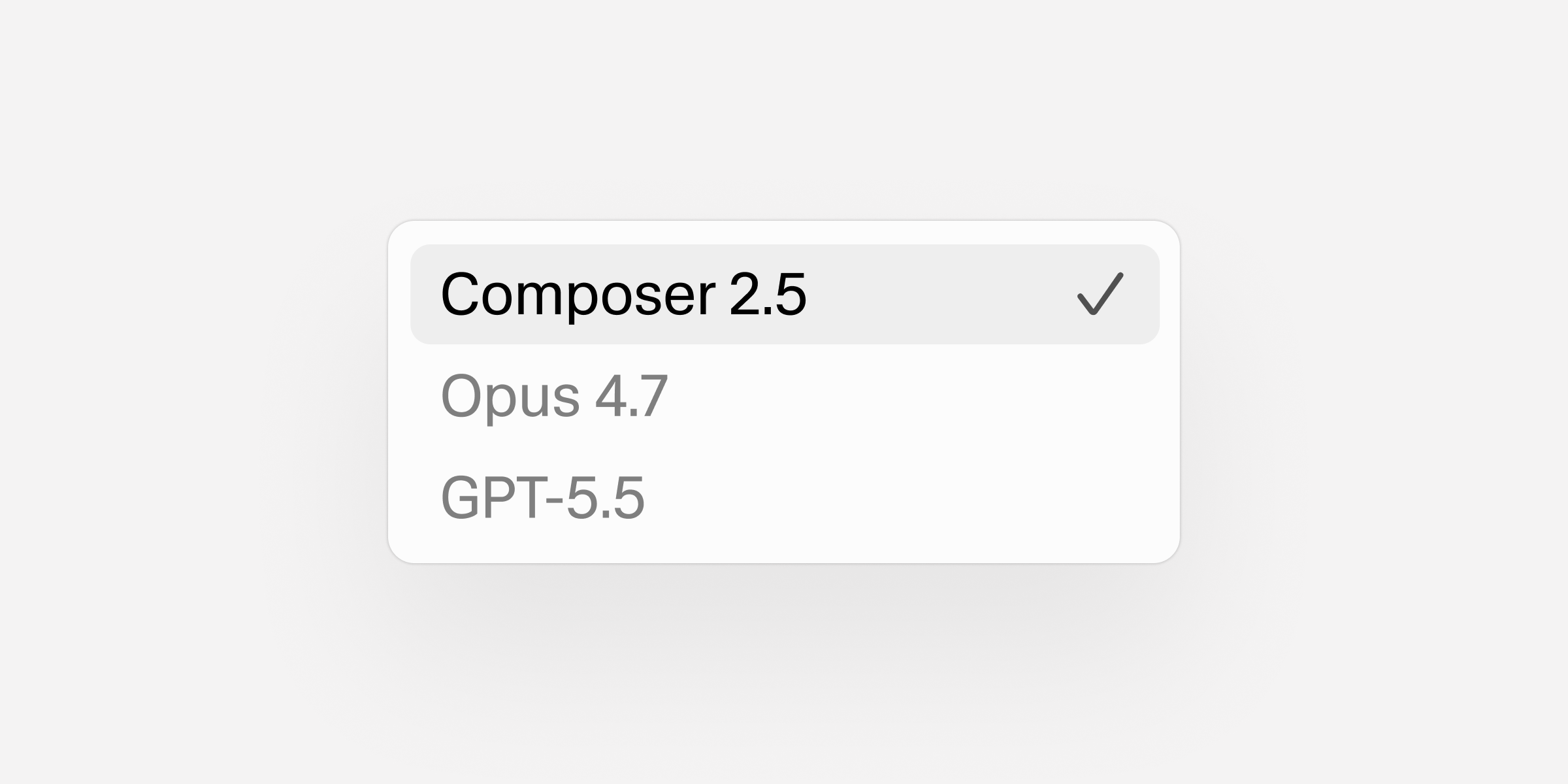
Cursor ships Composer 2.5 with Opus 4.7-class quality at 10× lower cost
Cursor's in-house coding agent jumps a generation: same SWE-Bench scores as the frontier, fraction of the price, and a SpaceX-funded successor already in training.
Cursor ships Composer 2.5 with Opus 4.7-class quality at 10× lower cost
Cursor's in-house coding agent jumps a generation: same SWE-Bench scores as the frontier, fraction of the price, and a SpaceX-funded successor already in training.
- Trained with 25× more synthetic tasks than Composer 2 — including feature-deletion exercises on real codebases.
- Scores 79.8% on SWE-Bench Multilingual and 63.2% on CursorBench v3.1, matching Opus 4.7 and GPT-5.5.
- Standard pricing $0.50/M input · $2.50/M output; Fast variant $3.00/$15.00; double usage free for the first week.
- Training stack: targeted RL with localized textual feedback, Sharded Muon optimizer, dual-mesh HSDP at 0.2-second step times on 1T-parameter models.
Cursor disclosed a collaboration with SpaceX AI to train a substantially larger successor model using 10× more compute on Colossus 2 — a million H100-equivalents. The IDE company is now openly betting on owning the model layer, not just the UI.
Implications: Reframes the coding-agent race from "best model wins" to "best price/quality wins" — a direct counter to Claude Code and Codex's premium positioning.
Anthropic's Code with Claude conference lands in London
First European stop on the world tour brings Claude Code, Platform and Research leadership for workshops and live demos.
Anthropic's Code with Claude conference lands in London
First European stop on the world tour brings Claude Code, Platform and Research leadership for workshops and live demos.
- May 19, 2026 · 7:30 AM-7:30 PM BST · three tracks (Research, Claude Platform, Claude Code).
- Speakers include Boris Cherny (Head of Claude Code), Cat Wu (Head of Product, Claude Code), Angela Jiang (Head of Product, Claude Platform), Katelyn Lesse, Lisa Crofoot.
- Sessions cover large-scale Claude Code implementation, multi-repo work, parallel agents, production-grade agent development, legal/cloud integrations.
- Follows San Francisco kickoff (May 6) where Anthropic shipped Dreaming, Outcomes, Multiagent Orchestration, Claude Finance, and Microsoft 365 Add-ins. Tokyo follows June 10.
Implications: Anthropic is treating the European developer community as a strategic front — formalizing in-person ecosystem investment that GitHub and Cursor haven't matched at this scale.
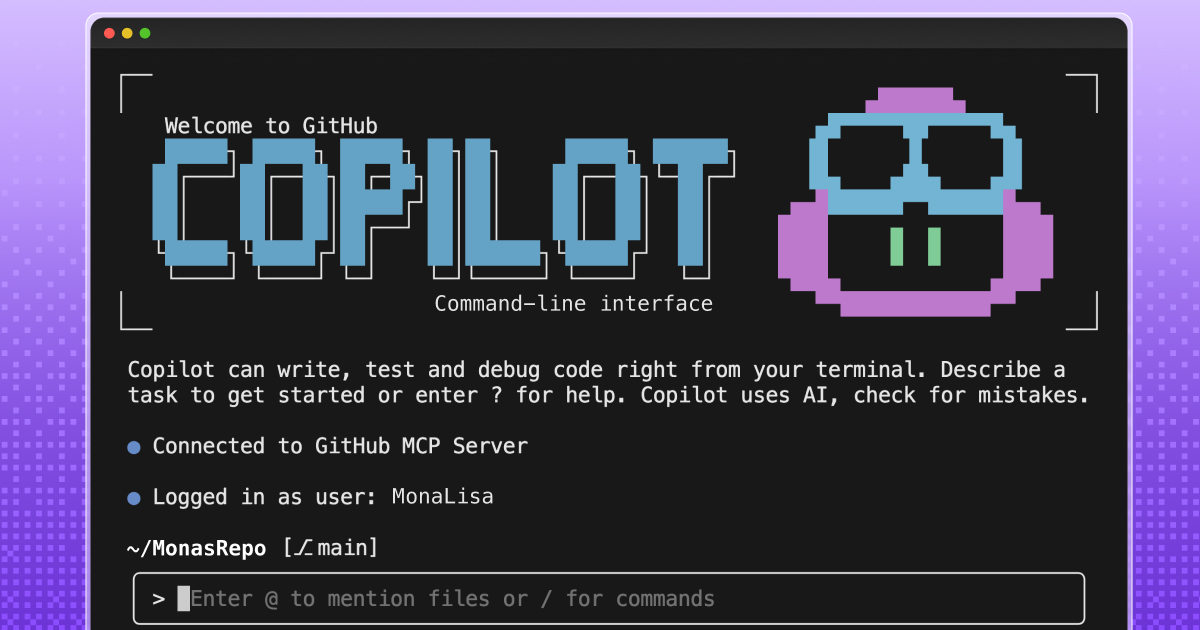
GitHub Copilot CLI v1.0.49 ships /chronicle search, /rubber-duck and persistent memory
GitHub closes the functional gap with Claude Code: cross-session search, independent critique, persistent memory toggles, plus Alpine Linux support.
GitHub Copilot CLI v1.0.49 ships /chronicle search, /rubber-duck and persistent memory
GitHub closes the functional gap with Claude Code: cross-session search, independent critique, persistent memory toggles, plus Alpine Linux support.
- Released May 19, 2026 (00:02 UTC); preceded by pre-release v1.0.49-6 on May 18.
/chroniclesubcommand searches all session content by keyword or topic;/rubber-duckrequests an independent critique of the agent's current work./session iddisplays and copies the active session ID;/memory on|off|showtoggles persistent memory.- Bulk plugin updates via
copilot plugin update --all; auto-linking for owner/repo#number references; Alpine Linux (musl libc) support; CJK + emoji cursor fixes.
Implications: Cross-session search and persistent memory are the table stakes that defined Claude Code's lead through Q1 — GitHub matching them removes a meaningful differentiator.
Ukraine launches one of its largest drone strikes against Russia, hitting Moscow
Russia claims interception of 550+ Ukrainian drones overnight — a saturation strike on the air defenses of a nuclear power.
Ukraine launches one of its largest drone strikes against Russia, hitting Moscow
Russia claims interception of 550+ Ukrainian drones overnight — a saturation strike on the air defenses of a nuclear power.
- Russia's Ministry of Defense claimed to have destroyed or intercepted more than 550 Ukrainian drones across more than a dozen regions.
- At least 4 killed and a dozen wounded across Russia, including Moscow.
- Drones hit a checkpoint near a Moscow oil refinery and residential buildings in Moscow suburbs.
- Strikes follow a Russian missile strike on Kyiv that killed 24 including three children.
"Entirely justified."
— Volodymyr Zelenskyy, President of Ukraine
Implications: Drone warfare has crossed into a regime where a single non-state-scale offensive can saturate the air defenses of a nuclear power, validating the "mass-cheap-autonomous" doctrine the Pentagon has been racing to adopt.
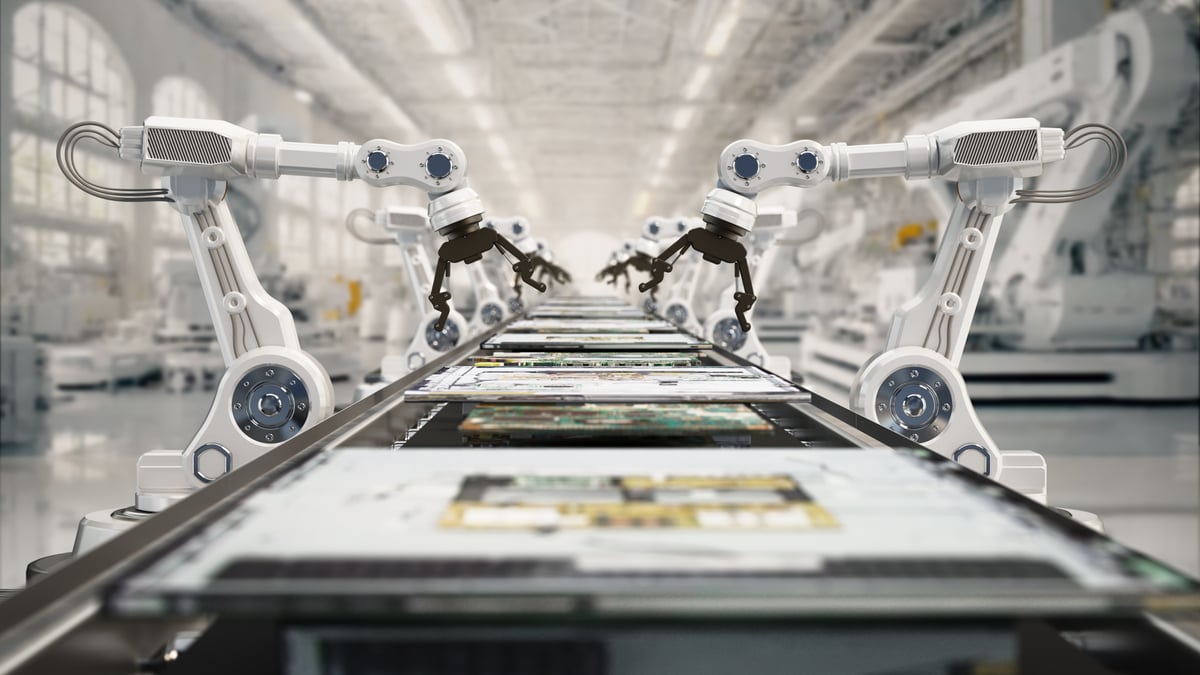
Mind Robotics hits $3.4B after a second nine-figure round in eight weeks
The Rivian spin-out raises $400M from Kleiner Perkins — purpose-built factory automation, not humanoids.
Mind Robotics hits $3.4B after a second nine-figure round in eight weeks
The Rivian spin-out raises $400M from Kleiner Perkins — purpose-built factory automation, not humanoids.
- $400M round led by Kleiner Perkins with Meritech, Redpoint, SV Angel, Incharge Capital, A-Star Capital, Garuda Ventures.
- Round follows a $500M raise two months earlier; Rivian retains roughly 38% ownership.
- Focus is generalized manufacturing robots (not humanoids) for Rivian's lines and external industrial customers.
- Global industrial robotics market projected at $70B by 2030.
"Advanced robotics are going to be critical for global competitiveness, as well as addressing the substantial industrial labor shortages that exist today."
— RJ Scaringe, CEO of Rivian
Implications: Humanoids get the headlines but generalized factory robots are winning enterprise dollars first.
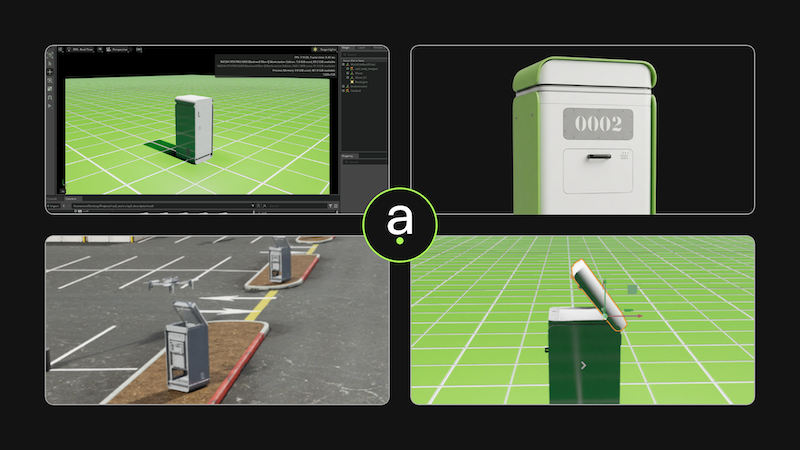
Arrive AI builds drone-delivery training stack on NVIDIA Isaac Sim + Blackwell
Simulation-first training lets a smaller drone-delivery player match the data-engineering throughput of the largest robotics labs.
Arrive AI builds drone-delivery training stack on NVIDIA Isaac Sim + Blackwell
Simulation-first training lets a smaller drone-delivery player match the data-engineering throughput of the largest robotics labs.
- Uses NVIDIA Isaac Sim physics-based simulation in environments with gravity, friction, collisions, and photoreal ray-traced lighting.
- Runs parallel simulation and training cycles on multiple Blackwell-powered workstations.
- Sim-driven training reduces reliance on manual data collection and annotation.
"Simulation is becoming the foundation of modern AI development. By leveraging Nvidia Isaac Sim and next-generation GPU infrastructure, we can train and refine our computer vision and robotics systems at a speed and scale that simply isn't possible in the physical world alone."
— Dan O'Toole, Founder and CEO of Arrive AI
Implications: NVIDIA's sim-to-real stack continues to win as the default training substrate for embodied AI.
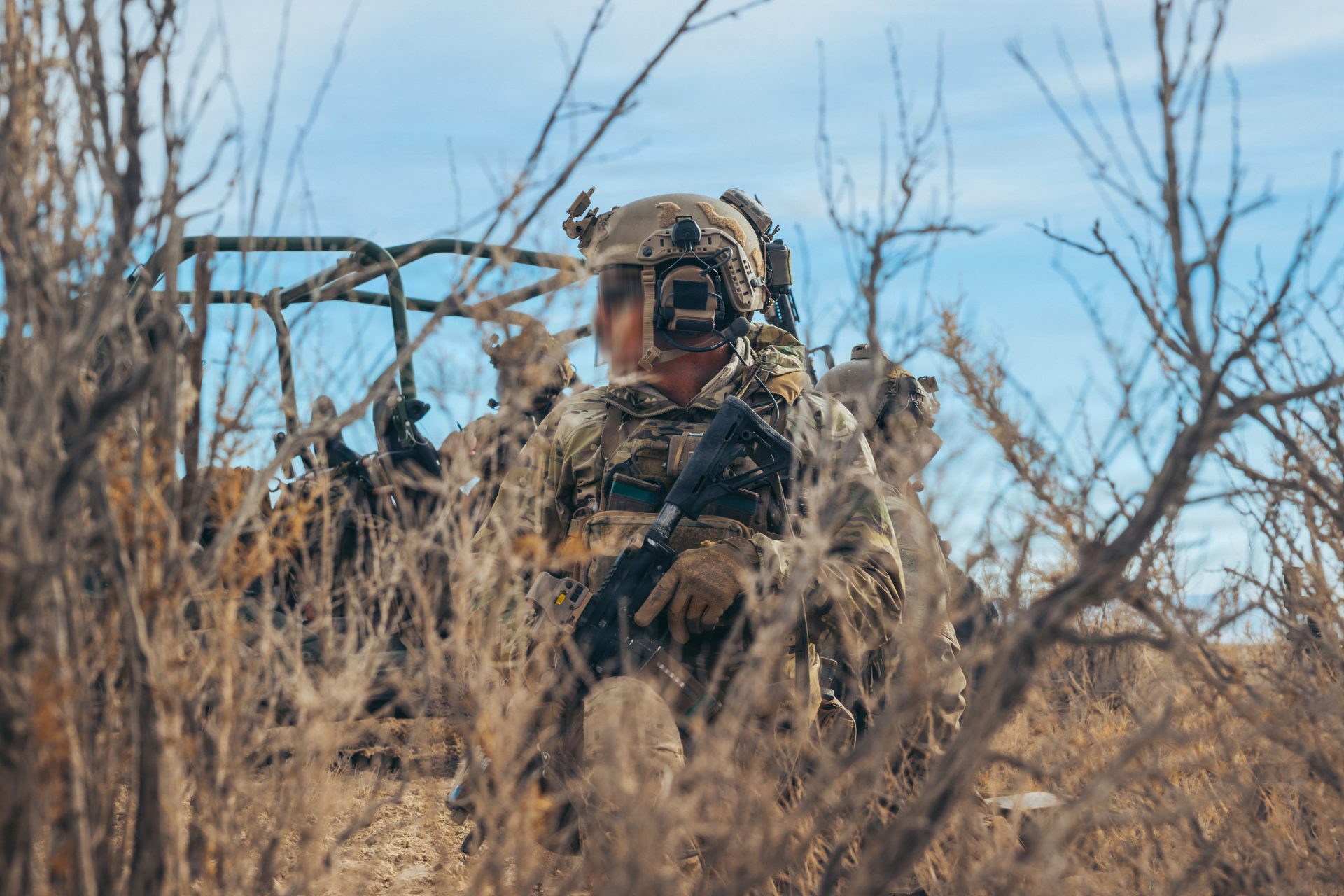
SOCOM acquisition chief: collaborative autonomy is moving too slowly
At SOF Week 2026 Tampa, SOCOM pressed industry to deliver portable autonomy stacks that drop onto any platform without rebuilds.
SOCOM acquisition chief: collaborative autonomy is moving too slowly
At SOF Week 2026 Tampa, SOCOM pressed industry to deliver portable autonomy stacks that drop onto any platform without rebuilds.
- David Breede, SOCOM deputy director of acquisition, said cross-platform autonomy needs to move faster than it is today.
- Comments came on the opening day of SOF Week 2026 (May 18-21, Tampa Convention Center).
- Army Secretary Dan Driscoll and Army CTO Dr. Alex Miller referenced alongside the Army's "Right to Integrate" effort focused on common communications networks.
- SOCOM is pressing for autonomy stacks that can be ported across multiple platforms without platform-specific rebuilds.
"The ability to quickly integrate autonomous behaviors on multiple different platforms in multiple different domains, without it having to be specifically built for that platform, is something that I'd like to see move faster than we are right now."
— David Breede, SOCOM Deputy Director of Acquisition
Implications: Signals SOCOM dissatisfaction with vendor lock-in and pushes the defense-tech market toward open, portable autonomy middleware rather than monolithic vendor stacks.
Ondas to acquire Israeli AI defense firm Omnisys for battle-tested orchestration
Nasdaq-listed Ondas folds Omnisys' BRO platform — 25 years of operational deployment — into its autonomous defense portfolio.
Ondas to acquire Israeli AI defense firm Omnisys for battle-tested orchestration
Nasdaq-listed Ondas folds Omnisys' BRO platform — 25 years of operational deployment — into its autonomous defense portfolio.
- Definitive agreement to acquire 100% of Omnisys Ltd.; financial terms not disclosed.
- BRO platform has 25+ years of operational deployment for planning, battlefield resource optimization, and real-time mission execution.
- Ondas reported Q1 2026 revenue of $50.1M and an operating loss of $42.7M.
- BRO will serve as the orchestration layer across Ondas Autonomous Systems' product line.
Implications: Continued consolidation in defense-AI where Israeli combat-proven software is bolted onto US-listed autonomy platforms.

Anduril + Palantir out-cite the top-5 US defense primes combined in AI assistants
5W Defense AI Visibility Index: two upstarts hold 35% of citation share vs 21% for Lockheed, Northrop, RTX, Boeing and General Dynamics combined.
Anduril + Palantir out-cite the top-5 US defense primes combined in AI assistants
5W Defense AI Visibility Index: two upstarts hold 35% of citation share vs 21% for Lockheed, Northrop, RTX, Boeing and General Dynamics combined.
- Anduril (19.8%) + Palantir (15.2%) = 35.0% AI Citation Share across ChatGPT, Claude, Gemini, Perplexity, and Google AI Overviews.
- The top-five US primes together hold 21.1%, despite operating at ~70× the revenue of Anduril+Palantir.
- Founders with highest individual citation density: Palmer Luckey, Alex Karp, Elon Musk, Brandon Tseng.
Implications: AI-assistant-mediated discovery is reshaping defense buyer perception in favor of software-first newcomers — an emerging procurement-influence vector primes have not addressed.
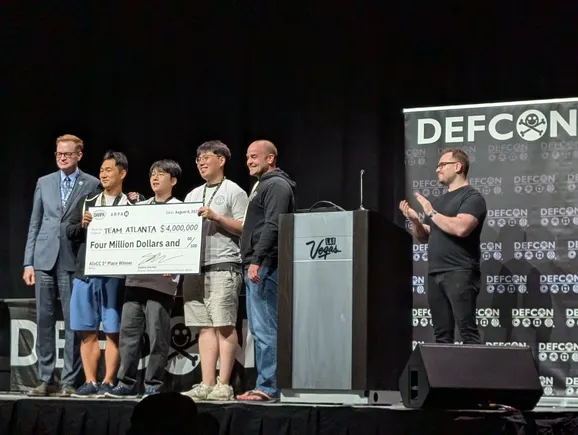
DARPA AI Cyber Challenge retrospective: 83 vulns found in 30+ open-source projects
Operational AI-driven vulnerability discovery has arrived: $830K paid out for verified bugs in Android, Linux, SQLite, Postgres, XNU and more.
DARPA AI Cyber Challenge retrospective: 83 vulns found in 30+ open-source projects
Operational AI-driven vulnerability discovery has arrived: $830K paid out for verified bugs in Android, Linux, SQLite, Postgres, XNU and more.
- Team Atlanta took 1st place ($4 million) at DEF CON 2025; Trail of Bits 2nd, Theori 3rd.
- 83 vulnerabilities discovered in 30+ projects by March 2026, including Android, Linux, SQLite, Redis, U-Boot, Apache libraries, Postgres, MariaDB, Python, Apple's XNU kernel.
- $830,000 of $1.4M available prize pool awarded for verified vulnerabilities.
"Automated tools are able to push their boundaries more."
— Michael Brown, Principal Security Engineer, Trail of Bits
Implications: DARPA-seeded AI cyber tooling is now demonstrably outperforming traditional fuzzers on critical infrastructure code — a major argument for AI-assisted cyber programs in FY27.

ESA-China SMILE space-weather mission launches on Vega-C from Kourou
Long-delayed joint mission begins the first global X-ray imaging of Earth's magnetosphere.
ESA-China SMILE space-weather mission launches on Vega-C from Kourou
Long-delayed joint mission begins the first global X-ray imaging of Earth's magnetosphere.
- Liftoff at 05:52 CEST on 19 May 2026 (03:52 UTC) from Europe's Spaceport in Kourou, French Guiana, on Vega-C flight VV29.
- Four instruments: Soft X-ray Imager (SXI), Ultraviolet Imager (UVI), Light Ion Analyser (LIA), Magnetometer (MAG).
- Parking orbit 707 km; 11 burns over 25 days will raise it to a highly elliptical orbit (apogee ~121,000 km, perigee ~5,000 km).
- Three-year planned mission; first images expected ~3 months after launch.
Implications: First-ever continuous X-ray and UV imaging of how solar wind buffets Earth's magnetosphere — a major data source for space-weather forecasting that protects satellites and grids.
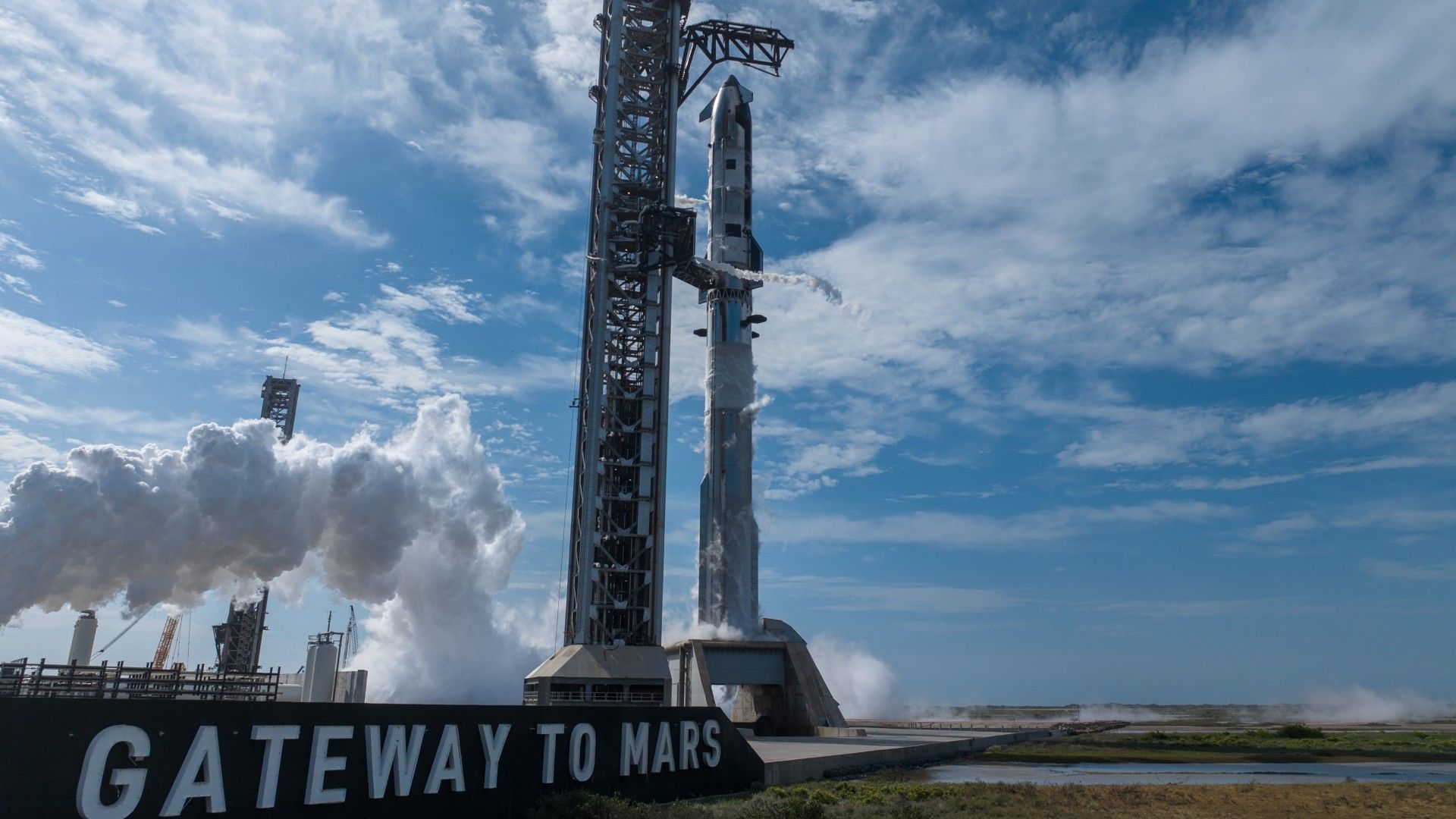
SpaceX slips Starship V3 debut to May 21 after additional preflight checks
Flight 12 — first launch of the redesigned upper stage from Starbase Pad 2 — pushed by two days.
SpaceX slips Starship V3 debut to May 21 after additional preflight checks
Flight 12 — first launch of the redesigned upper stage from Starbase Pad 2 — pushed by two days.
- First flight of Starship V3 with Raptor 3 engines (250 tf sea-level / 275 tf vacuum), integrated hot stage with protective steel layer, redesigned ignition, near-complete heat shield.
- Suborbital profile: Super Heavy Booster 19 splashdown in the Gulf of Mexico ~7 min after liftoff; Ship 39 splashdown off Western Australia ~65 min after launch.
- Payload: 20 dummy Starlink simulators plus two modified camera probes designed to photograph the upper stage in flight.
- First Starship flight in seven months (Flight 11 was October 2025); first launch from the newly-built Pad 2.
V3 is the vehicle SpaceX must qualify before HLS lunar-lander and Mars-cargo missions. The slippage is procedural rather than anomaly-driven, but compresses NASA Artemis III's already tight schedule.
CSF report: US launch capacity can't meet projected 7,000+ orbital launches per year
"SCRUBBED" study warns the Cape and Vandenberg are saturated; recommends $200M per new inland spaceport and a central management authority.
CSF report: US launch capacity can't meet projected 7,000+ orbital launches per year
"SCRUBBED" study warns the Cape and Vandenberg are saturated; recommends $200M per new inland spaceport and a central management authority.
- US soil hosted 180+ orbital launches in 2025; report models 6,000-230,000 satellites per year being launched globally by mid-2030s.
- Six identified challenges include heavy-lift saturation from constellation operators, range scheduling bottlenecks, inadequate licensed-launch ceiling.
- Recommends central management authority for Cape Canaveral + Vandenberg, plus ~$200M per new inland spaceport.
- Timed with Trump administration's reported refresh of the National Space Transportation Policy.
"This report and its findings come at an important time as the Trump Administration is considering a refresh of the National Space Transportation Policy."
— Dave Cavossa, CSF President
Implications: Sets the policy frame for whether US ranges, FAA licensing, and inland spaceports get the federal capital to keep pace with Starlink-class megaconstellations.
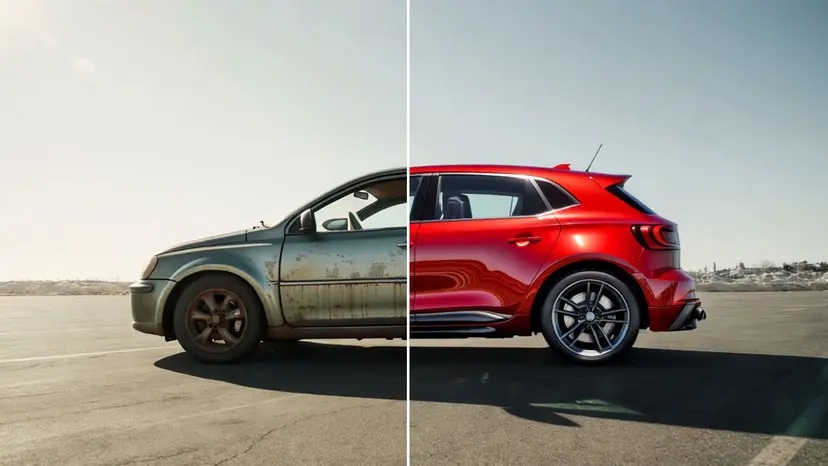
Decart raises $300M at ~$4B for real-time world models and AI optimization stack
Israeli lab gets Nvidia, Adobe, Toyota and Karpathy on the cap table — three product lines bet on compute efficiency as the next moat.
Decart raises $300M at ~$4B for real-time world models and AI optimization stack
Israeli lab gets Nvidia, Adobe, Toyota and Karpathy on the cap table — three product lines bet on compute efficiency as the next moat.
- $300M round led by Radical Ventures; Nvidia, Adobe Ventures, Toyota Ventures and angel Andrej Karpathy joined.
- Valuation ~$4B; total raised $450M (up from $100M at $3.1B in August 2025).
- Three product lines: DOS 2.0 (inference/training optimization, 1,600 tokens/sec = 8× industry average), Lucy (world model for immersive video editing), Oasis (world model for physical AI / 3D environments).
- Reports "significant revenue" from cloud providers and AI labs licensing DOS.
Implications: Validates a fast-growing "AI infrastructure middleware" category alongside Together and Fireworks, with world models emerging as a serious enterprise category beyond pure research.
Dust raises $40M led by Sequoia + Abstract for "multiplayer" enterprise AI agents
Paris-based agent platform reports 3,000 orgs, 300,000 deployed agents, 70% weekly active, zero customer churn in 2025.
Dust raises $40M led by Sequoia + Abstract for "multiplayer" enterprise AI agents
Paris-based agent platform reports 3,000 orgs, 300,000 deployed agents, 70% weekly active, zero customer churn in 2025.
- $40M Series B; brings total raised to over $60M.
- Co-founders Gabriel Hubert (ex-Stripe, CEO) and Stanislas Polu (ex-OpenAI research engineer).
- Snowflake Ventures and Datadog joined the round alongside Abstract and Sequoia.
- Platform connects to 100+ data sources; emphasis on governance, memory and human-agent collaboration.
"What will transform the way we work isn't the next best model or assistant. It's going to be a completely new type of system that gives humans and agents shared, governed access to the same information."
— Gabriel Hubert, CEO, Dust
Implications: Reinforces the "agent OS for enterprises" thesis and signals that European agentic-AI startups can attract top-tier US investor leadership at scale.
GridCARE closes $64M Series A from Sutter Hill + John Doerr for "Power Acceleration"
Stanford-founded startup uses AI to unlock idle grid capacity for AI data center buildouts — 2+ GW in active pipeline.
GridCARE closes $64M Series A from Sutter Hill + John Doerr for "Power Acceleration"
Stanford-founded startup uses AI to unlock idle grid capacity for AI data center buildouts — 2+ GW in active pipeline.
- $64M oversubscribed Series A led by Sutter Hill Ventures; John Doerr (Kleiner Perkins) participated.
- Significant valuation step-up from prior round less than a year earlier (amount not disclosed).
- Engaged across more than a dozen markets and 2+ GW of new AI compute capacity.
- October 2025 Portland General Electric collaboration unlocked 400+ MW in Hillsboro, OR, with first 80 MW arriving 2026.
Implications: Power, not chips, is the binding constraint on AI buildout — investors who backed Nvidia and Snowflake are now writing checks on the energy side of that bottleneck.

Searchable raises $14M at $85M for AI-search visibility platform
London-based AEO startup hit $2M ARR in 4.5 months — clients include American Express, KPMG, Siemens, Tencent, Pfizer.
Searchable raises $14M at $85M for AI-search visibility platform
London-based AEO startup hit $2M ARR in 4.5 months — clients include American Express, KPMG, Siemens, Tencent, Pfizer.
- $14M (GBP 10.3M) at $85M valuation led by Headline.
- Reached ~$2M ARR within 4.5 months of January 2026 launch; crossed $100K MRR; 500+ paying customers in 60 days.
- Enterprise clients: American Express, KPMG, Siemens, Tencent, Pfizer, BCG, DigitalOcean, VaynerMedia, Havas.
- Tracks visibility across 10 AI search engines; converted five enterprise clients from incumbent SEO platforms.
Implications: "AEO" (AI engine optimization) is monetizing as a distinct category from SEO faster than expected — enterprise budgets shifting from legacy SEO incumbents.

Micron drops 5.81% as memory chip sell-off tests the AI rally
First meaningful crack in the AI memory leadership trade ahead of Nvidia's May 20 earnings.
Micron drops 5.81% as memory chip sell-off tests the AI rally
First meaningful crack in the AI memory leadership trade ahead of Nvidia's May 20 earnings.
- MU closed at $682.54 on May 18, on volume ~33% above its three-month average ($41.13B traded).
- Broader market: S&P 500 -0.07%, Nasdaq -0.51%; NVDA -1.4%, TSLA -2.9%.
- Catalysts: stretched valuations after the AI rally, Samsung strike headlines weighing on memory pricing, China domestic-chip build-out risk.
Implications: First meaningful crack in the AI memory leadership trade ahead of Nvidia's May 20 earnings — sets a cautious tone for HBM/DRAM names tethered to hyperscaler capex.
Baidu Q1: AI Cloud Infra revenue +79% YoY, AI core crosses 52% of general business
Validates Chinese hyperscaler-grade AI demand even as ad business contracts 22%.
Baidu Q1: AI Cloud Infra revenue +79% YoY, AI core crosses 52% of general business
Validates Chinese hyperscaler-grade AI demand even as ad business contracts 22%.
- Total revenue RMB 32.1B (~$4.65B); Core AI-powered Business RMB 13.6B, +49% YoY.
- AI Cloud Infra revenue RMB 8.8B, +79% YoY and +52% QoQ; total AI cloud RMB 11.3B.
- Diluted EPS RMB 8.76 ($1.27); adjusted EPS beat ($1.67 vs ~$1.60 expected).
- Apollo Go robotaxi delivered 3.2M fully driverless rides, +120% YoY.
"In Q1, our Core AI-powered Business exceeded half of Baidu General Business revenue for the first time, marking a clear signal that AI has become the core driver of Baidu."
— Robin Li, CEO
Implications: Useful read-across for Alibaba Cloud and the broader China AI infra trade.
CoreWeave closes $3.1B GPU-backed loan — first publicly syndicated HPC infrastructure financing
Oversubscribed facility validates GPU-collateralized debt as an institutional asset class; CRWV's 2026 haul tops $20B.
CoreWeave closes $3.1B GPU-backed loan — first publicly syndicated HPC infrastructure financing
Oversubscribed facility validates GPU-collateralized debt as an institutional asset class; CRWV's 2026 haul tops $20B.
- Facility meaningfully oversubscribed; pricing tightened 50 bps to SOFR + 4.50%; ~5.5-year maturity.
- Rated Ba2 (Moody's) and BB+ (Fitch) — validating GPU-backed paper as an emerging institutional asset class.
- Proceeds fund GPU infrastructure for two large non-investment-grade customer contracts.
- YTD 2026, CoreWeave has raised $20B+ in debt and equity.
Implications: Public-syndication milestone for GPU-collateralized debt opens a deeper capital pool for AI infra build-outs and creates a new pricing benchmark for hyperscaler-adjacent neoclouds.